Strategic Directions
How we organize our work:
We do this through four strategic areas.
They are not isolated services, but complementary technical perspectives that integrate based on each organization’s risks and stage.

Engineering R&D
Strengthens the organization’s technical capacity to make operational and investment decisions based on objective and reliable information.
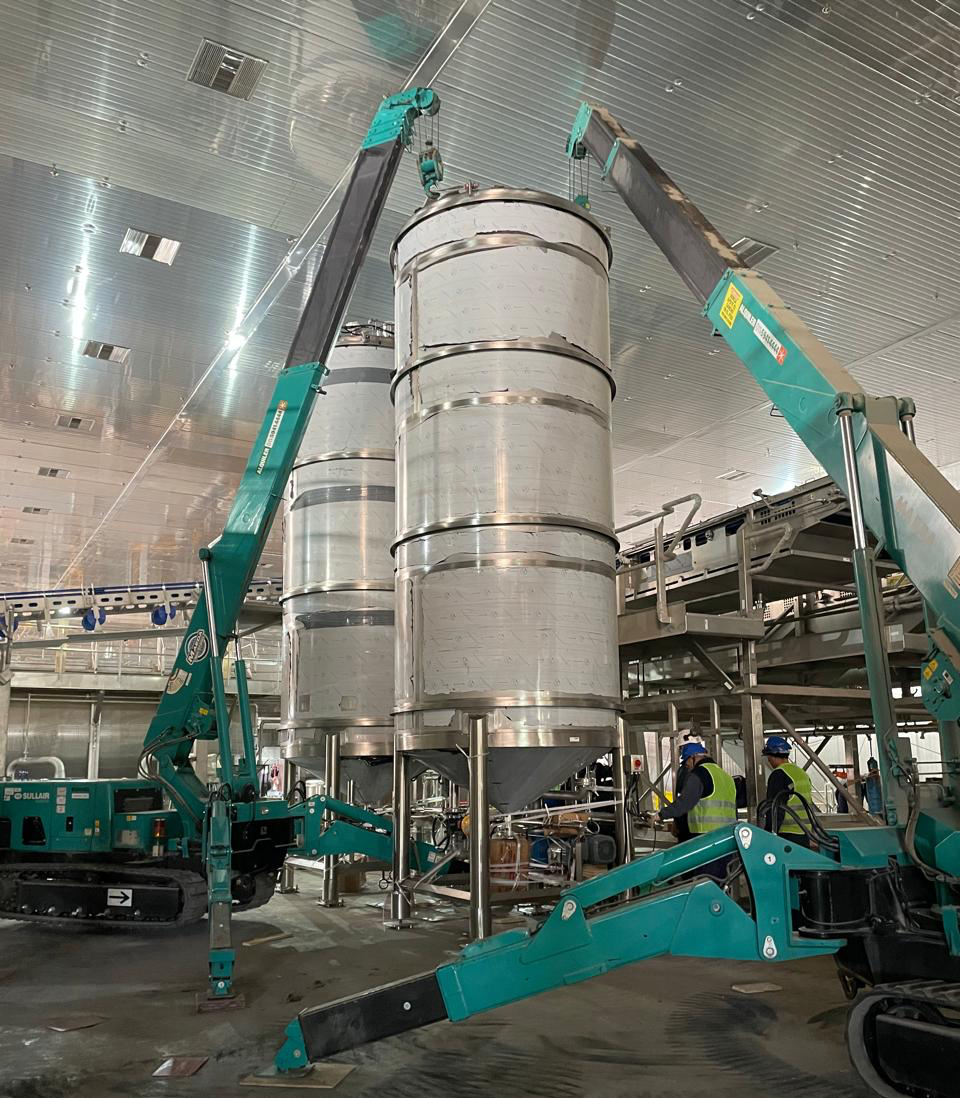
Provides an objective technical foundation for decision-making.
- Technical measurements and verifications
- Grounding systems and electrical load assessments
- Testing and calculations for pressure equipment
- Maintenance programs
- Technical support for event permitting
- Technical e-learning programs
Occupational Health and Safety
Strengthens the organization’s ability to protect people and maintain operational continuity through the systematic management of occupational health and safety risks.
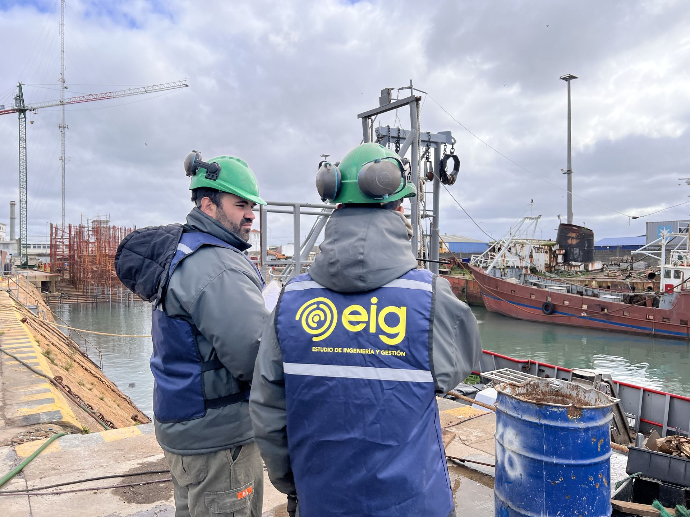
Manages risks that impact people, facilities, and operational continuity.
- Risk assessments and regulatory compliance
- Prevention programs and technical protocols
- Loss prevention reports and emergency plans
- EHS management systems and contractor control
- Technical e-learning programs
Sustainability, Environment, and Circular Economy
Strengthens the ability to integrate environmental, social, and economic risks and translate them into strategic pillars, programs, and projects with real impact.
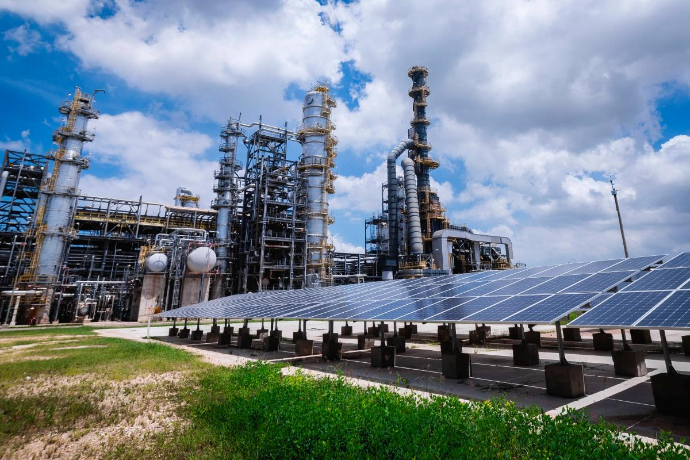
Manages environmental, social, regulatory, and economic risks that impact business sustainability and resilience.
- Double materiality and impact assessment
- Environmental audits and studies
- Resource and waste management
- Sustainable supply chain
- Carbon and water footprint
- Sustainability reporting and Master Plan
Translates risks into strategic pillars, programs, and projects with real impact.
Process Improvement & Standards Implementation
Strengthens management and execution capabilities, ensuring that technical decisions are implemented consistently and sustained over time.

Ensures that technical decisions are implemented consistently and sustained over time.
- Process analysis and improvement
- Implementation of standards and management systems
- Audit preparation
- Indicators, procedures, and work instructions
- Integration of technical, environmental, and safety requirements